Views: 0 Author: Site Editor Publish Time: 2026-10-14 Origin: Site
Uninspected material handling equipment represents a primary source of warehouse liability, unplanned downtime, and OSHA penalties. Many facilities struggle with a massive gap between theoretical safety policies and actual floor-level execution. Operators often rush through pre-shift checks to meet tight fulfillment quotas. This inconsistent approach to daily inspections accelerates equipment degradation. The risks multiply in high-use environments relying heavily on electric lifting equipment. A damaged wheel or a frayed hydraulic hose can quickly escalate into a catastrophic failure. Compliance must operate as a top-down initiative. Warehouse managers must ensure only authorized, formally trained personnel conduct these pre-shift checks. You cannot expect operators to prioritize safety if leadership only rewards raw throughput. A daily inspection checklist serves as a critical diagnostic tool. It evaluates fleet health, extends equipment lifespan, and helps you determine exactly when to leverage manufacturer support or upgrade your aging assets.
Compliance is Baseline, Not the Goal: Daily pre-shift inspections are mandated by OSHA (29 CFR 1910.178), but their primary ROI comes from preventing catastrophic hydraulic or electrical failures.
Documentation Drives Accountability: Utilizing a standardized checklist ensures operators systematically evaluate structural, electrical, and functional components before operation.
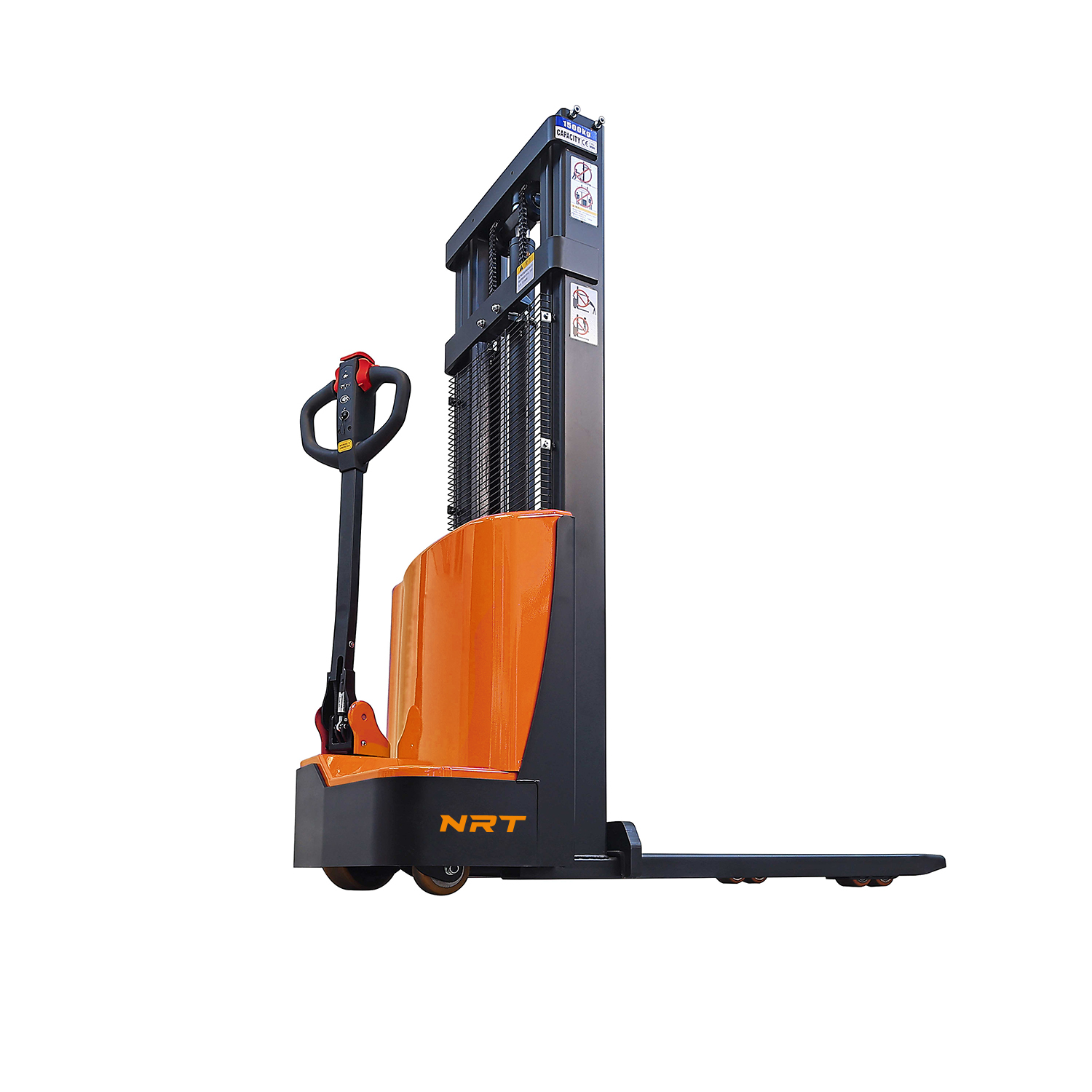
Equipment Specificity Matters: Inspection criteria must adapt to the specific class of equipment, with distinct protocols required for a 1.5 Ton Electric Walkie Pallet Stacker versus a broader Industrial Pallet Walkie Stacker Forklift.
Proactive Support Integration: Identifying minor wear early allows facilities to utilize pallet stacker support services and warranties before minor issues become major capital expenditures.
Safety Features are Non-Negotiable: Missing capacity plates, broken alarms, or damaged mast shields are immediate grounds for tagging out a machine.
A successful safety program relies on clear, measurable metrics. You want zero preventable accidents. You aim for 99% equipment uptime. You need audit-ready documentation at all times. Achieving these metrics requires strict adherence to daily inspection routines. Operators must treat the checklist as a mandatory operational gateway. Skipping the checklist compromises the entire safety framework of your facility. When operators pencil-whip their inspection logs, they blind the maintenance team to developing mechanical issues.
Consider the operational trade-off of a five-minute inspection. Taking a few minutes to walk around the machine saves thousands of dollars in emergency repairs. Compare this minor time investment against the operational halt caused by a burnt-out drive motor. Think about the impact of settling a workplace injury claim because a faulty brake went unreported. A quick visual check can identify a damaged load wheel. Replacing that wheel early prevents severe vibration. Left unchecked, that vibration damages the internal chassis, loosens electrical connections, and destroys the steering bearings. Catching small defects early prevents massive repair bills and keeps your product moving.
The regulatory framework leaves no room for interpretation. OSHA outlines strict Powered Industrial Truck requirements under 29 CFR 1910.178. The standard mandates pre-shift inspections for all motorized lifting equipment. If the equipment runs around the clock, you must inspect it after every shift. Operator training is also a strict legal mandate. Negligence carries severe legal implications. Facilities facing audits without proper inspection logs often receive heavy fines. Willful violations can shut down operations entirely. You must maintain these records and make them instantly accessible to safety inspectors.
Maintenance Approach | Operational Impact | Safety Risk Level |
|---|---|---|
Reactive (No Inspections) | High unplanned downtime, expedited shipping on parts, lost productivity. | Severe. High probability of catastrophic component failure during operation. |
Inconsistent (Pencil-Whipping) | Moderate downtime. Maintenance teams are constantly fighting unexpected fires. | High. False sense of security leads to ignored warning signs. |
Proactive (Strict Daily Checks) | Maximum uptime. Repairs are scheduled during off-peak hours. | Low. Defects are caught and tagged out before accidents occur. |
You must conduct the visual inspection before turning the key. This phase focuses on structural integrity, safety guards, and fluid systems. Operators need to look closely at the physical condition of the machine. They must identify wear patterns before they compromise structural stability. A thorough visual walk-around sets the baseline for the machine's daily performance.
Start by examining the main chassis. Look for stress fractures along the metal frame. Check the weld integrity around the mast and carriage. Rust lines often indicate a cracked weld underneath the paint. Metal fatigue usually appears near high-stress joints, specifically where the mast connects to the base. You must inspect the forks carefully. Look for bending, uneven wear, or surface cracks. Use a caliper to measure fork heel thickness. Most manufacturers recommend replacing forks if they show more than 10% wear. Uneven forks can destabilize heavy loads during lifting, leading to dropped pallets and damaged inventory.
Inspect the mast channels for excessive wear or scoring. The roller bearings inside the mast should sit flush and track smoothly. If you see metal shavings accumulating at the base of the mast, the bearings are failing. Check the lift chains for proper tension and lubrication. Dry chains wear out rapidly and can snap under heavy loads. Look for elongated links or rust buildup on the chain pins.
The data and capacity plate is the most important informational component on the machine. It must be completely legible. It must accurately reflect the equipment's current configuration. If you add an attachment, you must update the capacity plate. OSHA inspectors will immediately cite a facility for missing or unreadable plates. Operators need this information to calculate safe load centers.
Inspect the plexiglass mast shields. They protect the operator from hydraulic fluid leaks and snapping chains. A cracked shield offers zero protection and requires immediate replacement. Check all wire mesh guards. Ensure they are intact and securely fastened. Verify that all safety warning decals remain visible and readable. Replace any peeling or faded stickers immediately. These decals provide mandatory warnings about pinch points and electrical hazards.
Inspect the load wheels and drive tires thoroughly. Look for chunking, where pieces of polyurethane break off the wheel. Check for flat spots caused by aggressive braking. Clear away any debris entanglement. Shrink wrap or banding caught in the axles will melt into the bearings due to friction. This seizes the wheel and forces the drive motor to pull excessive amperage, eventually burning out the motor.
Compromised wheels drastically reduce the safe load capacity. They destroy the stability of a Pallet Stacker. Operating on damaged wheels transfers violent shocks directly into the control handle. This causes operator fatigue and damages internal electronics. Check the caster wheels for proper adjustment. They should maintain contact with the floor to prevent the machine from tipping during tight turns.
Hydraulic failures rarely happen without warning. Look for weeping cylinders. A light film of oil might be normal, but active dripping is a failure. Check for puddles under the equipment before moving it. Inspect the lift cylinder for scoring or deep scratches on the chrome rod. Scratches will tear the internal seals and cause fluid leaks.
Inspect all visible hydraulic hoses. Look for fraying, cracking, or bulging along the rubber casing. A bulging hose indicates internal structural failure. It can burst under pressure, dropping the load instantly. Check the hydraulic fluid reservoir if the machine has a sight glass. The fluid should be clean and at the correct level. Milky fluid indicates water contamination, which destroys the hydraulic pump.
Electric lifting equipment relies entirely on battery health. Look for acid corrosion around the terminals. White or green powder buildup restricts electrical flow and causes the machine to stall. Check for loose or frayed connecting cables. If you use lead-acid batteries, verify the water levels. Only top them off after a full charge cycle to prevent acid boil-over.
Detail the safety requirements for handling charging cables. Connectors must be free of cracks and burn marks. Pitted contacts cause electrical arcing, which can melt the connector housing. Never pull the cables to disconnect the battery; always grip the connector housing. Ensure the battery restraint system is secure. A loose battery can shift during operation, crushing internal components or altering the machine's center of gravity.
Once the visual inspection is complete, turn the key. This phase tests the active systems. You must verify that all controls, alarms, and lifting mechanisms function exactly as designed. Do not assume a system works just because it worked yesterday. Electronic components can fail overnight.
Test the tiller arm first. Move it through its full range of motion. Ensure the movement is smooth and bind-free. You should not feel any grinding or heavy resistance. The wiring harness runs through the tiller arm, and binding can pinch those wires, causing intermittent electrical failures. Evaluate all button functions on the control head. Test the lift, lower, forward, and reverse controls. They must be highly responsive.
Buttons must never stick in the depressed position. A sticking forward button can pin an operator against a rack. Verify that the steering operates without excessive play. The machine should respond immediately to directional inputs. Test the potentiometer by slowly rolling the throttle. The acceleration should be smooth and linear, not jerky or delayed.
Auditory and visual safety features protect pedestrians. Sound the horn to ensure it is loud and clear. It must be audible over the ambient noise of the warehouse. Test the backup and travel alarms by engaging the drive motor. Verify that all strobe lights and blue safety spotlights function correctly.
These features are critical for pedestrian safety in high-traffic warehouse aisles. Blind corners require functional warning devices to prevent collisions between equipment and foot traffic. If a blue spotlight is burnt out, tag the machine out. Pedestrians rely on that visual cue to know equipment is approaching an intersection.
Braking systems require rigorous daily testing. Test the plug braking by reversing the directional control while moving. The machine should smoothly decelerate and change direction without aggressive jerking. Test the dead-man brake by releasing the control handle. The handle should spring to the upright position, and the machine should stop immediately. Listen for the distinct click of the electromagnetic brake engaging.
Test the belly button switch. This anti-pinching reversing switch sits at the end of the tiller arm. Press it against your body while moving forward. The machine must instantly reverse away from you. This switch saves lives in tight spaces. If the belly switch fails, the machine is completely unsafe to operate.
Test the lift mechanism to its maximum height without a load. Ensure the mast channels operate smoothly without jerking. Watch the lift chains for proper tension. They should not hang loose or bind on the sheaves. Uneven chain tension causes the carriage to tilt, which can drop a load from the top rack.
Listen carefully for unusual pump noises. A whining sound often indicates pump cavitation or low hydraulic fluid. Test the lowering function to ensure a controlled descent. The carriage should not drop rapidly or unevenly. Test the proportional lowering valve if equipped. You should be able to feather the lowering speed for precise pallet placement.
Different classes of equipment require tailored inspection approaches. A universal checklist often misses critical machine-specific nuances. You must adapt your daily protocols to match the exact engineering of your fleet. Operators need to understand the specific limitations and maintenance requirements of the exact model they are driving.
Mid-capacity electric models serve specific operational roles, usually in retail backrooms or tight storage aisles. Focus heavily on battery discharge indicators. These machines often run on smaller battery packs that require strict charging discipline. Running them below 20% capacity damages the battery cells and overheats the drive motor. Check maneuverability constraints in tight aisles.
The compact design of a 1.5 Ton Electric Walkie Pallet Stacker often limits maintenance accessibility. Operators must look closely to spot hydraulic leaks hidden behind tight chassis panels. Pay special attention to the drive tire wear. These lighter units rely heavily on optimal traction for braking. A worn drive tire on a smooth concrete floor will slide past the intended stopping point, creating a severe collision hazard.
Heavy-duty models handle larger loads and reach greater heights. You must inspect the straddle leg adjustments carefully. Ensure the locking pins are secure and the legs are set to the correct width for your pallets. Incorrectly adjusted straddle legs will crush the bottom boards of a pallet or destabilize the load. Inspect the heavier mast configurations for twisting or uneven wear.
Verify the integrity of higher-voltage power systems. High-lift stacking carries significantly higher operational risks than simple floor-level transport. An Industrial Pallet Walkie Stacker Forklift requires precise load center calculations. Operators must verify that the load backrest extension is secure before lifting heavy pallets to the top rack. The backrest prevents loose boxes from falling backward onto the operator during high lifts.
Identifying a defect is only the first step. The true test of a safety program lies in how the facility responds to those defects. Proper post-inspection protocols prevent damaged equipment from returning to the floor. A checklist is useless if management ignores the findings.
Operators often complete the checklist but ignore the defects to maintain throughput. They might note a broken horn but continue using the machine to finish loading a truck. This renders the entire inspection process useless. Managers must enforce strict compliance. Leadership must support operators who tag out defective equipment. If managers penalize operators for downtime caused by safety tag-outs, the safety culture will collapse. You must audit the inspection logs weekly to ensure operators are actually finding and reporting normal wear and tear.
OSHA requires all operators to be formally trained. They must be certified before performing daily inspections or operating the equipment. Training must cover the specific controls, capacities, and inspection protocols of the exact machines they will use. Do not allow untrained personnel to move equipment, even just to park it. Maintain updated training records for every operator on the floor. Retrain operators immediately if you observe unsafe driving habits or incomplete inspection logs.
Define the strict protocol for removing defective equipment from service. If a machine fails any critical safety check, the operator must park it immediately in a designated safe zone. They must remove the key. They must place a highly visible "Out of Service" tag on the control handle. Disconnect the battery to prevent unauthorized use. Provide a clear framework for reporting defects to maintenance personnel. The machine cannot return to service until a qualified technician repairs it and signs off on the work order.
Transition smoothly from defect identification to professional resolution. Utilize OEM Pallet Stacker Support for complex repairs. Do not allow untrained maintenance staff to improvise fixes on hydraulic or electrical systems. Preventative maintenance contracts offer massive value. They ensure certified technicians inspect your fleet regularly. Maintain a strong relationship with your equipment provider. They handle the deep diagnostic work, software updates, and structural testing that goes beyond daily operator checks.
Evaluate the transition from paper logs to digital fleet management software. Paper checklists get lost, damaged, or pencil-whipped. Digital systems force operators to complete each step. They track inspection compliance in real-time. They identify early wear patterns by analyzing defect data across the fleet. Digital software helps maintain optimal performance by automatically alerting maintenance teams when a defect is logged.
Feature | Paper Checklists | Digital Checklists |
|---|---|---|
Data Retention | Prone to loss, damage, or misfiling. | Secure cloud storage with instant retrieval. |
Accountability | Easy to fake without actual inspection. | Requires timed inputs and mandatory photo uploads. |
Maintenance Alerts | Manual hand-off required to notify technicians. | Automated alerts sent instantly to maintenance teams. |
Trend Analysis | Requires manual data entry to spot recurring issues. | Built-in analytics identify fleet-wide wear patterns. |
Download and distribute a standardized, printable daily inspection checklist for all electric lifting equipment.
Audit your current fleet logs to verify strict compliance with pre-shift inspection mandates.
Remove any machine missing a legible capacity plate or functioning safety alarm immediately.
Contact your equipment provider to establish a reliable preventative maintenance and support plan.
A: OSHA standard 1910.178(q)(7) requires inspections before every shift. If the equipment is used round-the-clock, you must inspect it after each shift. Daily inspections are the absolute minimum requirement for single-shift operations.
A: A stacker introduces the added risks of vertical lifting. Operators must account for mast stability, overhead clearances, and precise load center calculations. A standard jack only lifts loads a few inches for floor-level transport.
A: The operator must immediately stop using the machine. They must remove the key, apply a lock-out/tag-out (LOTO) tag, and report the defect to a supervisor. No one can operate it until an authorized technician completes repairs.
A: Perform visual checks for puddles or weeping cylinders. Test the lift and lower functions under no load to ensure smooth operation. Listen closely for pump cavitation or whining noises, which indicate low fluid or air in the lines.
A: Typical OEM support includes comprehensive annual inspections, wear-part replacements, and hydraulic fluid flushes. It also covers software updates for electric models, battery cell testing, and priority dispatch for emergency repair services.